Show how consent has been used
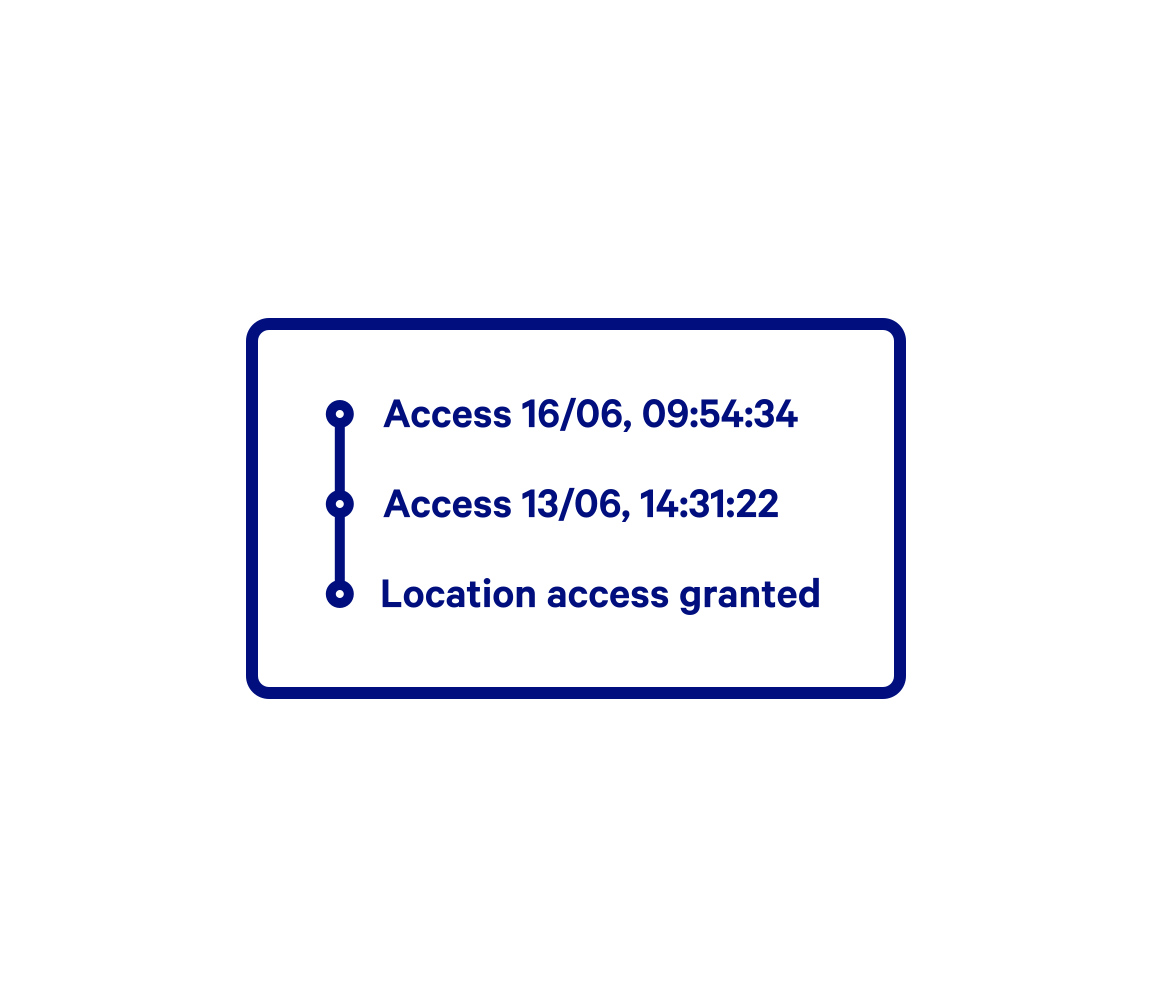
Description
Provide people with a clear, understandable history of what they’ve agreed to and how those agreements have been acted on.
For example, show when someone authorised data to be shared with a third party, and when and how that data was later accessed or used.
This pattern goes beyond listing permissions. It reveals how those permissions have been used in practice.
IF thinks this pattern can help people understand the effects of their choices, check they align with their expectations, and increase confidence that their decisions are being respected.
Advantages
- Gives people confidence that the service is respecting their decisions by offering a clear record of what they agreed to and how it has been acted on.
- Gives people a way to review and reflect on past choices over time.
- Makes it easier for people to spot unexpected or unwanted uses and revoke permissions.
Limitations
- Large or complex histories can overwhelm people, or leave them with work to do to make sense of the data, if not presented in clear and manageable ways (see Progressive disclosure).
- If these histories are buried or hard to find, people may never notice them.
- Tracking downstream or derived uses of data may be difficult.
Examples
-
Google Android Privacy Dashboard →
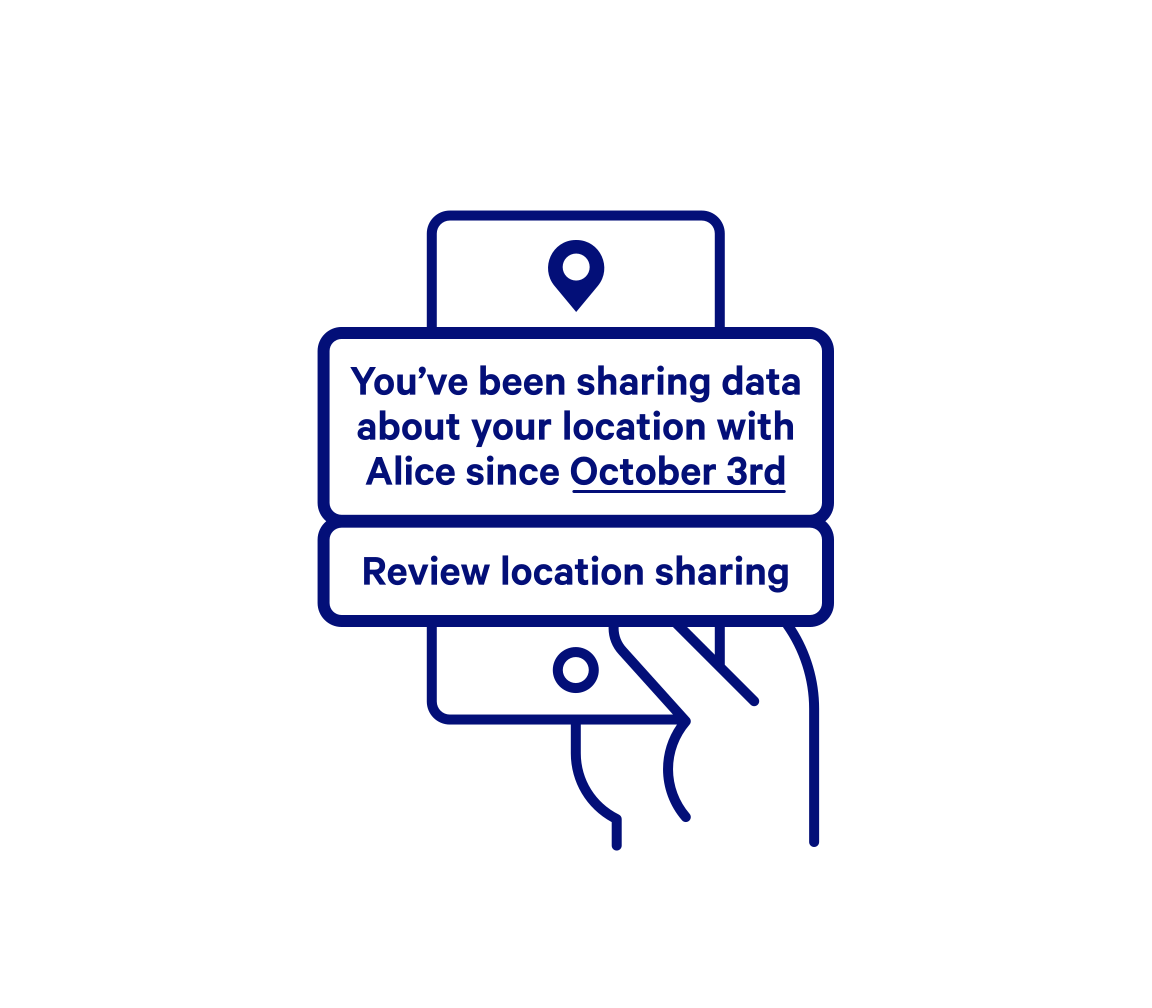
Smartphone operating systems offer summaries and histories of recent application permission use.
-
Google Manage Third-Party Connections →
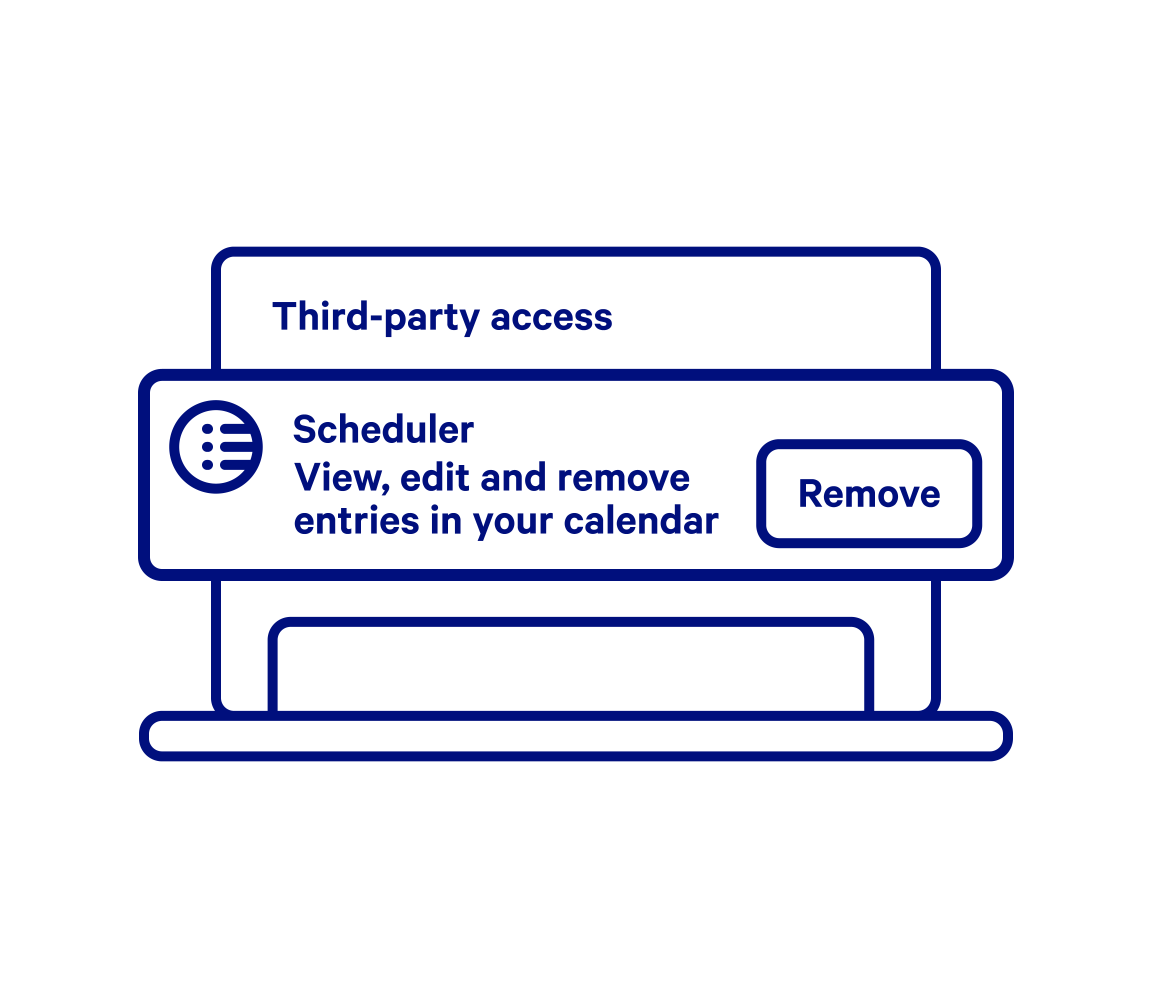
Details third-party access and when it was authorised.
Related patterns
Did you find this pattern useful?